Winter Energy Use Explained
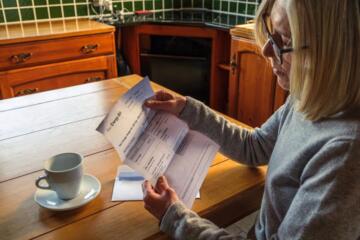
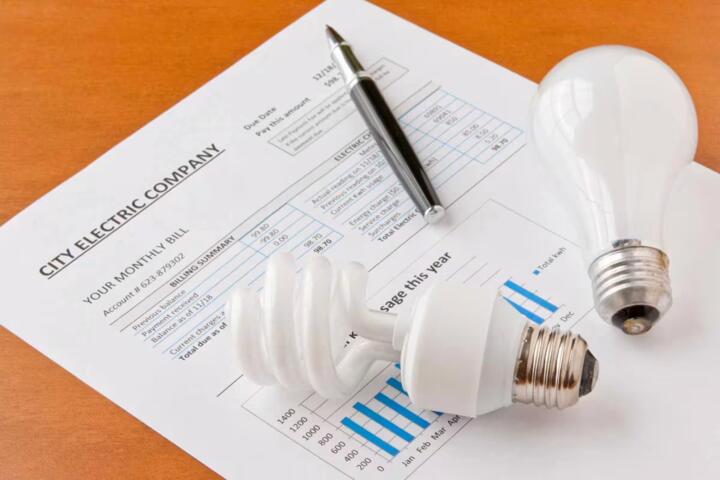
Cold months push electricity consumption upward, often doubling from summer levels in poorly insulated homes. Heating systems frequently dominate bills, absorbing 40% or more of household energy. Many overlook drafty windows and unsealed doors as silent energy wasters. A mid-sized home in the northern US might spend over $200 extra monthly on heating alone come December. Tackling these issues early avoids shockingly high statements.
Simple checks, like feeling for cold air near frames, show practical starting points. For example, sealing cracks with inexpensive foam tape or caulk can make a big difference. These small barriers keep warm air inside longer, cutting demand on heaters.
Electric heating costs escalate steeply after the first cold weeks. Pay attention.
Common Winter Cost Drivers
Many assume turning heaters to maximum heat offloads winter discomfort fast. In reality, overheating wastes energy and causes fluctuations that wear systems out. Another pitfall lies in ignoring standby loads from devices still plugged in.
Leaving lights on longer during days with minimal sunlight adds to expenses unnoticed. A failing thermostat or dirty filters increase electrical drainage without clear signs. These hidden costs quietly inflate bills until the next statement arrives.
Households with electric dryers and ovens running frequently report spikes by 30% to 50%. That rises swiftly if appliances operate inefficiently or during peak hours.
High bills affect budget and heating quality—you may end up with less warmth for more dollars, and no one wants that.
Winter Savings Tactics
Seal Windows & Doors
Weatherstripping windows and doors reduces heat loss up to 25%, cutting electric heating needs. Use foam or rubber strips around frames—you can buy rolls easily for under $20 at most hardware stores. Properly sealed homes maintain indoor temperatures longer, reducing heater cycles.
Programmable Thermostats
Set thermostats to lower temps during sleep or work hours. Models like Nest Learning Thermostat v3 adjust automatically to patterns. Reducing temperature by 7–10°F for 8 hours daily can save roughly 10% on heating bills annually. Automation prevents accidental overheating, trimming unnecessary use.
Upgrade to LED Bulbs
Old incandescent bulbs burn more power and produce heat, but LEDs use 75% less energy and last 25 times longer. Switch bulbs in high-use rooms to cut lighting portion of electric bills. These also reduce heat input, helping thermostats regulate consistently. Sylvania and Philips offer reliable options widely available.
Use Space Heaters Wisely
Instead of heating whole houses, focus on frequently occupied spaces using energy-efficient ceramic heaters that draw 1,500 watts or less. This cuts costs if you keep other rooms cooler. Avoid old models or those with large coils that consume more electricity. Keep heaters away from curtains and furniture for safety.
Optimize Appliance Usage
Run laundry and dishwashers during off-peak hours to benefit from lower rates if your utility offers them. Use cold water cycles for washing clothes and fill machines completely before starting. High-energy usage during peak times inflates bills; smarter scheduling reduces costs noticeably.
Maintain HVAC Systems
Dirty filters and clogged ducts force heaters to work harder, consuming more power. Replace filters every 1–3 months and have ducts inspected annually. Proper upkeep can improve efficiency by 15% or more. Brands like Honeywell sell smart diagnostics devices that alert users about filter replacements.
Leverage Thermal Curtains
Thick, insulated curtains prevent heat loss through windows. Closing them after sunset can lower heating needs by up to 10%. On sunny days, open curtains to gain natural warmth. Many homeowners underestimate this simple fix, but its impact stacks with other measures.
Check for Phantom Loads
Devices like chargers, TVs, or cable boxes draw power even when off—known as phantom load. Unplug what you’re not using or employ power strips with on/off switches. This small action cuts 5–10% from electric consumption without effort.
Invest in Smart Power Management
Smart plugs and home energy monitors track consumption, revealing waste patterns. Brands like Sense and Emporia Vue provide real-time data. Identifying irregular usage helps target savings. It might cost upfront but recovers quickly through reduced billing.
Real Savings Examples
A family in Boston noticed their $320 monthly electric bill tripled during January 2023 after installing a poorly maintained heat pump. After sealing leaky windows and adding a Nest thermostat, costs dropped to $200 by March, a 37% reduction. They reported better comfort and fewer heater cycles.
Another case: a small office in Minneapolis implemented a schedule for turning off nonessential equipment and switched to LED lighting. Their electric charges shrank 25% over the winter of 2022. Staff appreciated the consistently stable indoor temperature and fewer outages.
Winter Savings Checklist
| Action | Cost | Impact | Ease |
|---|---|---|---|
| Seal drafts | $10–30 | High | Easy |
| Programmable thermostat | $100–250 | Medium | Medium |
| LED bulbs | $3–10 per bulb | Low | Very easy |
| HVAC service | $80–150 | Medium | Medium |
| Thermal curtains | $20–60 | Low | Easy |
Saving Pitfalls
Avoid cranking your thermostat too high to “quickly warm” rooms. Heaters use more energy and cycle on and off inefficiently. Many people neglect regular filter cleanings, which leads to costly performance drops. Another error is ignoring leaks around windows, thinking they don't add up. Skipping the programmable thermostat setup wastes savings potential alone.
Unplug monitors and chargers when not in use. Phantom load is sneakier than many realize. Also, do not leave lights running in empty spaces, especially with inefficient bulbs.
Some expect instant bill dropping after fixes. In reality, changes reflect over a billing cycle or two. Patience matters.
FAQ
How much can sealing drafts save?
Sealing drafts can reduce heating bills by 10% to 25%, depending on home condition and climate severity.
Is upgrading to a smart thermostat worth it?
Yes, smart thermostats can cut heating costs by 10% or more through programming and adaptive learning.
Do space heaters lower overall bills?
If used to heat only occupied rooms and other areas are cooler, space heaters can reduce electric heating demand.
How often should I replace HVAC filters?
Typically every 30 to 90 days, but check monthly in winter when usage is high or if you have pets.
Can LED lighting affect heating needs?
LEDs emit less heat than incandescent bulbs, which slightly reduces stray warmth, helping thermostats maintain steady temps.
Author's Insight
After years repairing home systems, I’ve seen careless habits inflate energy bills unnecessarily. Small fixes like adding weatherstrips cut electric use remarkably. I typically recommend programmable thermostats for adaptability, though some setups, frankly, disappoint if not calibrated. Monitoring usage live also reveals surprising waste. Consistency beats quick fixes. If you tackle one thing, pick sealing—biggest return for least hassle.
Key Takeaways
Winter electric bills climb from common oversights: drafts, poor appliance use, and neglected maintenance. Tackling air leaks and optimizing thermostat use slices costs fastest. Use LED lights and space heaters smartly to target zones, not entire homes. Regular filter changes and reducing phantom loads maintain efficiency. Action now prevents paying more later.