Learning Water Costs
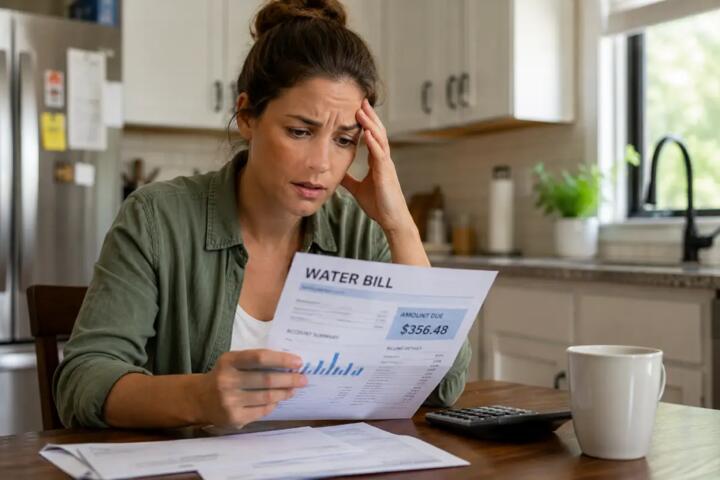
Water bills often surprise people by rising steadily without clear causes. The average American household uses about 82 gallons daily, with roughly 30% wasted through leaks or excessive use. Such inefficiencies inflate costs over time and offer a clear opening for savings if handled properly. For example, a faucet drip of one drop per second can waste over 3,000 gallons a year. That’s like paying for a constant, unnoticed stream.
Problems Driving Costs
Ignoring slow leaks misunderstands how bills amp up. A single leak that seems minor can add hundreds to your annual expenses if left unchecked. The way fixtures age also matters — older toilets or showerheads consume far more than newer low-flow models. Habits too, like long showers or watering lawns during midday heat, spike water use and thus the bills. These behaviors pile up even when people don’t realize it. It’s common to miss the small routines that add gallons and dollars.
Ways to Cut Water Use
Fix Leaks Promptly
Start with leak detection. Check toilets, faucets, and irrigation systems weekly. Toilet leaks can be silent but are often biggest offenders. Add food coloring to your tank and wait fifteen minutes; if color seeps into the bowl, the flapper valve likely needs replacement. Repairing simple leaks saves around 10,000 gallons annually, which translates to roughly $50–$70 in many American cities (2023 data).
Upgrade to Efficient Fixtures
Swapping out old toilets with models certified by EPA WaterSense can use 1.28 gallons per flush versus 3.5 gallons in older versions. Similarly, showerheads rated at 1.5 gallons per minute cut water use nearly by half compared to typical 2.5 gpm models. Installing such fixtures usually costs $50–$150 each but recoups investment in less than 12 months through bill reductions.
Optimize Lawn Watering
Watering lawns early morning or late evening reduces evaporation, saving up to 30% of outdoor water usage. Program smart irrigation timers like Rachio 3 to adjust schedules based on weather forecasts. All that technology helps avoid watering during rain or heat spikes. Lawns typically consume 50% of household water; trimming this saves dollar signs immediately.
Shorten Showers by Minutes
Cutting shower time from 10 to 5 minutes saves more than 12 gallons per session if your showerhead flows at 2.5 gallons per minute. Using a simple timer, or apps like ""Shower Coach,"" helps people break this habit — which, frankly, most skip despite easy gains.
Use Appliances Efficiently
Run dishwashers and washing machines only when full. Front-loaders use about 13 gallons per load, while older models consume 40 or more. Choosing ENERGY STAR appliances lowers both water and electricity bills. Many states offer rebates; check your local utility for programs to offset upfront costs.
Collect and Reuse Greywater
Harvesting shower or sink water for irrigation reduces potable water consumption drastically. Systems like Brac Greywater diverters cost a few hundred dollars but can cut outdoor water use by 50–70%. Always verify local regulations before installing greywater systems, as rules vary widely.
Replace Single-Use Plastic Water Bottles
Though unrelated directly to household water use, reducing bottled water consumption lowers demand on municipal supplies and helps budget indirectly by cutting bottle expenses. Using filtered tap water with a reusable bottle costs less than 10 cents a gallon versus hundreds for packaged water.
Regularly Monitor Your Bill
Track your water use on monthly statements and flag spikes. Some utilities, like California’s EBMUD, offer online usage dashboards with daily updates. Detecting unusual consumption early often prevents surprises and forces quick fixes before things worsen. I learned this hard after ignoring a rising meter last fall.
Manage Water in Kitchen Tasks
Stop running water continuously when washing dishes by hand. Use a basin or plug the sink. This saves about 8 gallons per wash session. Investing in efficient faucets with aerators can reduce flow rates while maintaining pressure, improving savings over the year.
Examples of Real Savings
A small bakery in Austin found their water bill doubled over six months. Investigators discovered leaking irrigation and faulty dishwasher hoses. Fixing these cut usage by 25%, saving $850 per quarter. Another case involved a family in Boise installing smart irrigation and WaterSense toilets; their quarterly bill dropped 40% despite maintaining a garden and pools. Both proved subtle changes, if focused, affect bottom lines sharply.
Savings Checklist
| Measure | Cost Range | Annual Savings | Notes |
|---|---|---|---|
| Leak Repair | $0-$150 | $50-$100 | Minor leaks add up fast |
| Efficient Fixtures | $50-$200 | $100-$150 | Toilets, showerheads reduce flow |
| Smart Irrigation | $100-$300 | $70-$120 | Weather-based watering timers |
| Short Showers | $0 | $40-$80 | Reduce duration by 5 min |
How to Avoid Pitfalls
Don’t neglect small leaks—they double costs silently. Overauditing daily usage wastes time and focus; moderate review monthly is enough. Saving water outdoors varies by region, so avoid watering rules ignorance. Some expect instant bill drops after one fix, but results compound over months. Do not buy premium gadgets without reading user reviews—many advertised “smart” devices have buggy apps or confusing interfaces. Local policies for greywater use sometimes catch people off guard; check first.
FAQ
Can I spot leaks without tools?
Yes, simple visual inspections and toilet dye tests help detect common leaks without equipment.
Which fixture upgrades save the most water?
Replacing toilets and showerheads with WaterSense certified models offers the highest savings per dollar spent.
How often should I check my water meter?
Once a month works well, especially if you monitor monthly bills carefully for spikes.
Is rainwater harvesting legal in most places?
It varies widely; some states allow it freely, others with restrictions or bans, so check local codes.
Do smart irrigation systems really reduce bills?
Yes, they adapt watering schedules to weather, cutting 20-30% off outdoor water use on average.
Author's Insight
Over the last five years, I’ve audited dozens of homes’ water use. Missed leaks cost more than fancy devices. Fixing a single toilet drop cut our household water bill by 15% last year, which surprised me. Smart timers help but only after habits shift. Tracking monthly bills keeps the process honest. Simple, consistent fixes pay dividends.
Key Points
Start with leak fixes, then upgrade fixtures and control outdoor watering. Use data from your bills and meters to find unusual usage. Small habit changes add up more than you think. Act sooner rather than later and watch your water bill shrink this month.