Learning Credit Card Debt
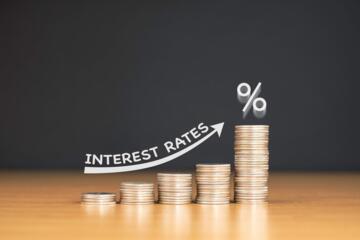
Credit card debt accumulates when purchases exceed monthly payments, often growing swiftly due to compounding interest. In the U.S., average credit card debt per household reached nearly $6,270 in 2023, highlighting the scale of this financial challenge. For example, a $5,000 balance at 18% APR can cost over $900 in interest the first year if only minimum payments are made.
Many don’t realize how minimum payments barely touch the principal. The more you pay monthly, the faster debt shrinks. Knowing your exact balance and interest rates is the first step.
One late payment may add fees or hike rates—a costly slip.
Obstacles to Fast Repayment
People often mistake minimum payments for progress. Paying just enough keeps balances stuck for years. Credit card interest can reach 20% or more, creating debt traps.
Ignoring statements or delaying payments leads to fees and credit score damage, which limits future financial options. Those relying on multiple cards to juggle bills usually face spirals: increased debt, and worse credit.
Debt fatigue also plays a role. Emotional burnout makes cutting corners or negotiating with lenders less likely.
Methods to Cut Debt Quickly
Track Every Expense
Use budgeting apps like Mint or YNAB to log every dollar spent. Tracking reveals unnecessary charges like recurring subscriptions, often overlooked—a monthly $15 charge adds $180 annually.
Once identified, eliminate or pause non-essentials, freeing money for debt repayment.
Prioritize High-Interest Debt
Focus on credit cards with the highest APR. Paying them down first reduces interest accumulation faster than spreading funds evenly. For instance, knocking out a 22% APR card first cuts long-term costs.
This approach, known as the avalanche method, minimizes total interest paid and shortens payoff time.
Increase Monthly Payments
Adding even $50 to your current payment can shave months off debt life. If monthly payment is $200, raising to $250 saves hundreds in interest.
You save time, reduce noise, and the inbox stops winning.
Negotiate Lower Rates
Call card issuers directly to request a lower APR. Success rates hover around 50%, depending on credit history. Speaking to supervisors may help. Lower rates below 15% can dramatically speed payoff.
Obtained a lower rate last year—saved $200 in interest.
Balance Transfer Cards
Transferring balances to cards with 0% intro APR periods (often 12-18 months) stops interest buildup temporarily. Beware: transfer fees usually run 3-5%.
Calculated right, you might save hundreds if you clear balances before the promotional period ends.
Automate Payments
Set auto-pay for the full monthly payment amount to avoid late fees or missed payments, which cost $30-$40 each occurrence. Automation reduces mental load and keeps progress steady, which, frankly, most people skip.
Use Side Income
Extra income from freelancing, resale apps, or gig work can push more funds toward debt. Just 5 extra hours per month, earning $15 hourly, adds $75 toward your debt.
This often accelerates payoff time by months, even a year, depending on total debt.
Track Progress Publicly
Share goals with a trusted friend or on a blog. Accountability raises motivation. When you report monthly progress, chances of sticking to commitments increase.
Cut Credit Card Usage
Put cards away or freeze them physically to force reliance on cash or debit. This reduces temptation and new balances.
Cases on Debt Reduction
Jane had $12,000 spread over three cards at average 20% APR. She started by cutting expenses using Mint, found $200 in savings weekly, and increased card payments by $300 monthly. She used a Chase balance transfer with 0% APR for 15 months, avoiding new interest. Within a year, she cut debt in half and improved credit scores by 30 points.
Mark owed $7,500 mostly on one card at 19% APR. He negotiated a rate cut to 13% and set up automatic payments 10% above the minimum. Mark also sold unused electronics on eBay, adding $400 to his payments in two months. He cleared his debt in 14 months.
Smart Debt Payoff Checklist
| Step | Action | Tool | Result |
|---|---|---|---|
| 1 | List all balances | Credit card apps | Know debts |
| 2 | Determine highest APR | Statements | Prioritize payments |
| 3 | Cut non-essential spend | Mint, YNAB | Free funds |
| 4 | Make extra payments | Bank apps | Shorten payoff |
| 5 | Negotiate APR drop | Call issuer | Lower interest |
| 6 | Balance transfer | 0% APR cards | Save interest |
| 7 | Automate payments | Auto-pay setups | Avoid late fees |
| 8 | Find side income | Freelance apps | Extra debt payoff |
Frequent Errors to Dodge
Waiting until due dates to pay, which sometimes triggers unexpected fees or interest spikes if processed late. Partial payments, especially below minimums, cause balances to balloon.
Some hunters fall for quick fixes like payday loans or consolidation without checking fees or terms.
Switching cards can help but only if you stop using them. Otherwise, it just shifts debt around.
Ignoring statements is a slow poison; missed alerts hide creeping fees.
FAQ
Can I pay off credit card debt early without penalty?
Yes. Most credit cards do not charge early repayment penalties. Paying early reduces interest costs.
Is debt consolidation better than individual payments?
Depends. If consolidation offers a lower interest rate than existing cards, it can cut costs. Otherwise, focus on paying highest-rate cards first.
How much should I pay monthly to reduce debt quickly?
At least double the minimum payment. Aim to pay amounts that cover interest plus a sizable principal reduction.
Do balance transfer cards always save money?
No. Transfer fees (3-5%) and expired promos can increase costs if debt isn’t cleared timely. Calculate carefully.
Can negotiating APR be done multiple times?
You can try each year or after improved credit, especially if market rates drop. Persistence pays off.
Author's Insight
I've wrestled with credit card debt myself and learned that realistic budgeting beats wishful thinking. Small monthly boosts to payments matter more than big one-offs—steady momentum makes a difference. Negotiating lower rates feels awkward but pays off—call your lender now. Automation stops errors and saves headaches; I rely on it heavily. Finally, patience and tracking your paydown keep morale up.
Key Takeaways
Fast credit card debt payoff demands focused payments, awareness of interest rates, and cutting non-essential costs. Using specific tools like Mint for tracking, negotiating APRs, and balance transfer cards can save hundreds or thousands. Automate payments to avoid mistakes and push extra income towards balances. Avoid common traps such as minimum payments or accumulating new debt. Consistent action, even small, accelerates freedom, and the effort pays back in saved interest and less stress.