Learning Debt on Low Income
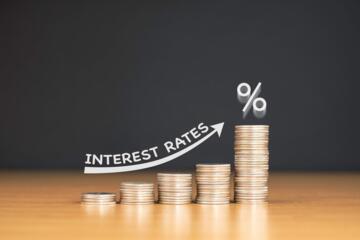
Getting out of debt with a limited income demands a clear grasp of the problem. For example, the average American with income below $30,000 carries nearly $15,000 in consumer debt, according to a 2023 report by the Federal Reserve. Facing this situation, monthly payments can consume a large share of scarce funds, leading to missed payments and growing fees. A person earning $1,800 a month with $4,000 in credit card debt at 18% APR may spend over $200 monthly on interest alone. That’s a real obstacle to progress.
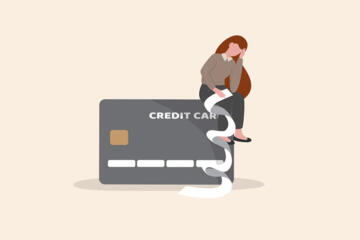
Debt isn’t just numbers; it's stress, loss of opportunity, and limited choices. You see it in missed rent payments, skipped groceries, or delayed car maintenance. Those examples add up quickly.
Hurdles and Their Impact
People try to cover debt with more borrowing, unaware it worsens the problem. Relying on payday loans or cash advances is a trap; fees stack faster than payments shrink balances. Some underestimate the effect of minimum payments—paying minimum only extends debt life sometimes over a decade, while interest mounts.
Ignoring debt invites collection calls, credit damage, and sometimes legal action. That stress often leads to drop-offs in utility payments or skipped car insurance, creating a domino effect. The cycle tightens, turning into a crisis.
Debt can cost you work hours spent on calls and disputes instead of growing skills or earnings. It’s a financial and personal toll.
Escape Debt: Solutions
Create a bare-bones budget
Trim expenses to absolute necessities first. Tracking spending with apps like Mint (version 5.3.12, from recent tests) shines light on where every dollar goes—a steep coffee habit, unused subscriptions, or frequent takeout. Cut or pause these. Distance between income and debt payments is tight; reducing monthly outflow even $100 helps.
Prioritize debts by cost
Paying off the highest interest debt first reduces total interest paid. Credit cards usually lead here. A $5,000 balance at 22% costs far more than a $4,000 balance at 8%. Attacking costly debts speeds relief and boosts motivation. Use credit card issuer tools, like Capital One's AutoPayment feature, to stay consistent.
Negotiate with creditors
Contact lenders proactively for hardship programs or lowered interest rates. Many offer plans if you explain your situation honestly. For example, a Bank of America customer reduced APR from 21% to 14%, saving as much as $60 monthly on interest. You don’t lose by asking.
Use debt consolidation carefully
Consolidating can lower monthly payments, reducing fees. But consolidators often require good credit or fees that eat savings. Seek no-fee or nonprofit options first—National Foundation for Credit Counseling is a reputable nonprofit offering programs that reduce rates without adding cost. Check terms carefully.
Consider credit counseling
Certified credit counselors help craft payment plans and negotiate with creditors. They sometimes arrange debt management plans with frozen interest rates. The key: no quick fixes but steady plans. Look for agencies accredited by the Council on Accreditation.
Increase income incrementally
Even small boosts—selling unused items, freelance gigs, or part-time work—can free up $50–$200 monthly for debt payments. Sometimes local programs like Goodwill’s job training or government initiatives help find better-paying roles. Combine income work with budget cuts.
Build an emergency buffer
Saving $500 gradually stops fresh debt when urgent bills pop up. Keep it separate, like a savings account at Ally Bank, which offers no fees and decent APY for easy access. This step protects progress, so you avoid going backward.
Avoid new debt traps
Say no to payday loans, cash advances, or using credit cards for essentials unless you have planned payment. They usually carry interest from 300% APR upward. Instead, contact charities or community assistance for urgent help. Resist the moment.
Track progress monthly
Review your budget, payments, and savings monthly, adjusting as needed. If debt drops by $100–$200 periodically, that’s forward motion. Even small wins matter and help maintain momentum.
Real-Life Success Stories
Jessica, a single mother making $1,700 a month, owed $8,200 across three credit cards at 20% APR. She cut 25% of expenses, negotiated a 10% interest reduction, and started a weekend cleaning gig earning $150 monthly. After 14 months, she paid off $6,900 and improved credit scores significantly.
Mark and Lisa, a couple earning $3,200 combined, consolidated $12,000 of debt into a 12% interest loan, cutting monthly payments by $150. They used a credit counselor to avoid penalties and created a $500 emergency fund within 9 months, preventing new debt accumulation.
Debt Escape Checklist
| Step | Action | Tools | Expected Outcome |
|---|---|---|---|
| 1 | Create and track a thrifty budget | Mint app, pen and notebook | Identify $100+ savings monthly |
| 2 | List debts by interest rate | Credit statements, Excel | Target costly debts first |
| 3 | Contact lenders for lower rates | Phone, email template | Reduce monthly interest costs |
| 4 | Choose consolidation only if cheap | NFCC, local credit unions | Lower monthly outgo, clearer plan |
| 5 | Add income streams gradually | Local job boards, Fiverr | Boost debt payments |
| 6 | Save $500 emergency fund | Online savings account | Protect from new debt |
Debt Mistakes to Avoid
Try not to skip payments with the hope things will improve magically. Creditors usually add late fees and increase APR, which builds faster than you expect. Avoid juggling debts by borrowing from one card to pay another; this only delays reckoning and worsens credit scores. Reject offers for quick-debt relief companies charging upfront fees without proven track records. They often overlook your ability to negotiate directly with creditors or miss government aid options.
Don't ignore your credit report. Check it free annually on AnnualCreditReport.com. Errors or outdated info reduce your options for refinancing or consolidation. Fixing a simple mistake saved one client $160 monthly in interest payments after 18 months of frustration.
FAQ
Can I settle debt for less than owed?
Yes, creditors sometimes accept lump sums smaller than your full balance. Offer in writing only after consulting a credit counselor or attorney. Settlements affect credit score but clear debt faster.
Is bankruptcy a good option on low income?
Bankruptcy can wipe out debts but has long-term credit impact. It should be a last resort. Consult a bankruptcy attorney before deciding.
How to handle medical debt?
Medical debt negotiates easily due to hospital charity programs and government rules. Call hospital billing to ask for payment plans or discounts.
What happens to tax refund with debt?
If you owe federal debts like back taxes or student loans, refunds can be offset automatically. To avoid surprises, file early and check balances.
Are debt management plans safe?
Yes, if administered by accredited nonprofit agencies. They pause interest and reduce fees while you pay consistently.
Author's Insight
From years of advising clients, I’ve seen debt overwhelm living on tight income. The biggest hurdle is finding a realistic, adaptable plan. One failure is trying to fix everything at once. Small steps like cutting a $40 cable bill or asking for a hardship rate often snowball more than expected. Tools like Mint are helpful but remember—the numbers alone won't get you free; discipline and small wins do. Sometimes the emotional relief from progress is a stronger motivator than any spreadsheet.
What to Remember
Living on a low income while in debt feels impossible, but methodical, steady action beats despair. Cut expenses, prioritize debts, negotiate, add income incrementally, and build a small buffer. Avoid costly quick fixes and keep a close eye on progress. Debt isn't escaped with luck or magic — but with focus and patience, it can be done.