EPC Rating And Bills
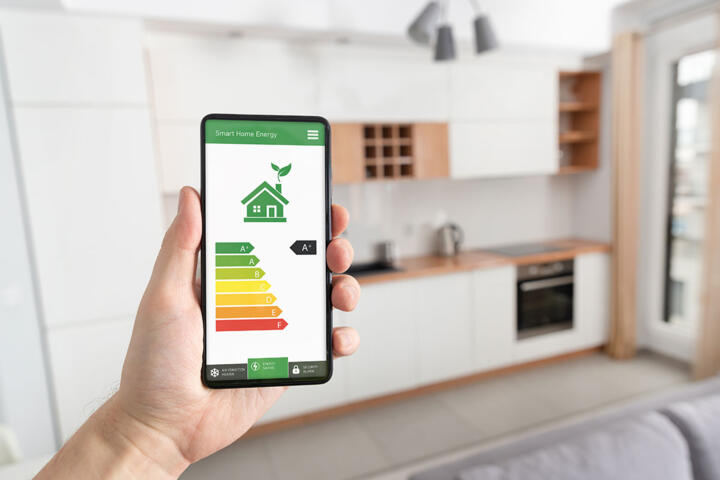
An EPC (Energy Performance Certificate) summarizes a home’s energy performance using a rating from A (most efficient) to G (least efficient) and a set of estimated energy costs. In the UK, EPCs are produced using a standardized methodology that estimates how much energy a typical household would use for space heating, water heating, lighting, and ventilation. The rating is not a bill, but it is designed to correlate with the energy demand of the building fabric and the installed heating system.
When an EPC rating improves, the usual mechanism is lower heat loss and better control of heating. Insulation upgrades reduce heat escaping through walls, roof, and floors; glazing upgrades reduce heat loss through windows; and improved airtightness reduces uncontrolled drafts. On the systems side, a more efficient boiler, heat pump, or better controls can reduce the energy needed to deliver the same indoor temperatures. The EPC’s estimated costs reflect those changes, but the estimates assume typical occupancy and usage patterns, which rarely match every household.
If you are comparing two similar homes, the EPC can help you anticipate which one is likely to cost less to run. For example, a property with a higher rating often has lower estimated annual energy use, which tends to translate into lower heating demand during cold months. Still, the gap between EPC estimates and your actual bills depends on thermostat habits, occupancy schedules, and how well the heating system is commissioned. I once saw an EPC with a strong rating on paper, while the tenant’s bills stayed high because the heating controls were set to run longer than the schedule—an outcome the EPC model cannot predict.
In practice, EPC ratings influence housing costs through three channels: (1) energy demand (how much heat the building needs), (2) energy supply efficiency (how efficiently the heating system converts fuel to heat), and (3) user behavior (how the household operates the system). The first two are closer to what the EPC captures; the third is where real-world variance shows up.
What People Get Wrong
Many misunderstandings start with treating the EPC rating as a direct forecast of your bill. The EPC uses assumptions about occupancy and heating schedules, and it relies on the information available to the assessor at the time of inspection. If key details are missing or outdated—like the actual boiler age, the presence of thermostatic radiator valves, or the condition of loft insulation—the EPC can drift away from the home’s current performance. A rating can also remain similar even when the home’s comfort improves, because comfort depends on temperature distribution and drafts, not only on annual energy estimates.
Another common error is ignoring the difference between energy demand and energy costs. Two homes can share a similar EPC rating but have different fuel types, tariff structures, or heating controls. The EPC estimates are typically expressed in cost terms based on standard assumptions for energy prices, which change over time. When energy prices rise, the absolute cost gap between two EPC-rated homes can widen or narrow depending on how each home’s energy use responds to price changes and how the household adapts.
People also underestimate how supporting technologies affect outcomes. Heating controls, such as smart thermostats or weather compensation, can reduce wasted heating cycles. Ventilation strategy matters too: mechanical ventilation with heat recovery (MVHR) can reduce heat loss compared with simple trickle vents, but only if installed and maintained correctly. If a home has a heat pump, the seasonal performance depends on temperature, system sizing, and how radiators or underfloor heating are matched to the heat pump’s operating range. The EPC model includes these elements in a simplified way, so it cannot capture every installation nuance.
Finally, some buyers and renters focus on the letter grade and skip the underlying metrics. The EPC includes estimated annual energy use and environmental impact indicators, and those details can reveal whether the rating is driven by insulation, heating system efficiency, or both. When you compare properties, you want to know which lever is likely to change your bills if you invest in improvements later.
How To Use EPC Data
Read The Rating And Costs
Start with the EPC’s A-to-G rating and the estimated annual energy cost range shown on the certificate. In the UK, EPCs typically display estimated costs for heating and hot water, and the certificate also includes an estimated energy use figure. Use these numbers as a baseline for comparison, not as a promise. If you are comparing two homes, focus on the estimated annual cost difference and the underlying drivers listed on the EPC recommendations.
Check the “assessor’s assumptions” indirectly by scanning the EPC for what was observed versus what was inferred. If the EPC notes uncertain insulation thickness or an assumed heating system type, treat the estimate as less reliable. I often see EPCs where the heating controls are assumed from the system type rather than verified in detail, which can shift the real-world bill by a meaningful margin.
Match It To Your Heating Habits
Translate the EPC estimate into your likely usage pattern. If you work from home, heat demand often rises because the home stays warmer for longer. If you keep windows open for ventilation, the effective heat loss increases, especially in airtight homes where ventilation is otherwise controlled. If you plan to use the home intermittently, the heating strategy changes: short heating bursts can behave differently than steady heating, and the EPC model may not reflect that.
Use your current bills as a reality check. If you have a prior energy statement, compare your annual kWh usage and heating season behavior to the EPC’s estimated energy use. Even a rough match helps you judge whether the EPC is likely to overestimate or underestimate your household’s costs.
Plan Improvements With Payback
When you consider upgrades, use the EPC recommendations as a starting list, then verify feasibility. Loft insulation, cavity wall insulation (where appropriate), and draft-proofing often have clearer impact on heat loss than cosmetic changes. Heating system upgrades depend on the existing setup: a heat pump may require changes to radiators or flow temperatures, while boiler upgrades depend on boiler efficiency and control settings. The EPC can suggest measures, but it cannot replace a site survey.
For realistic outcomes, look for typical ranges rather than single-point promises. Many UK energy-efficiency measures reduce heat loss and can lower heating bills, but the size of the savings depends on the starting condition and the measure quality. If you are budgeting, treat the EPC as a directional guide and request quotes that include commissioning and controls tuning, since poor commissioning can erase part of the theoretical benefit.
Use EPC With Other Evidence
Combine EPC data with practical indicators. Check whether the home has signs of damp, cold spots, or poorly sealed windows, because those issues can increase heat loss and comfort complaints. Review the heating system’s age and service history, and ask about thermostat placement and radiator valve coverage. If the home has mechanical ventilation, ask when filters were last changed and whether the system is operating as intended.
For renters, also consider how the landlord’s obligations interact with EPC requirements. In the UK, minimum energy efficiency standards have been introduced for private rented properties, with timelines that vary by property type and regulation updates. Because rules and enforcement can change, verify the current requirements for the specific property and tenancy type rather than relying on a general summary.
Educational Case Examples
Example 1: Similar Homes, Different Drivers
A couple compares two two-bedroom flats in the same city. Flat A has an EPC rating of C and an estimated annual cost range that is lower than Flat B’s EPC rating of D. The EPC recommendations for Flat A focus on improved insulation and better heating controls, while Flat B’s recommendations focus on the heating system efficiency. After moving in, the couple keeps the same thermostat schedule for the first month and finds that the bill difference matches the EPC direction, but the absolute costs are higher than the EPC estimate because their occupancy is heavier than the EPC assumptions.
The key lesson is that the EPC helped predict which flat would likely cost less, but the household’s schedule and comfort targets determined the size of the gap. The couple later adjusts the heating schedule and sees a smaller bill increase than expected, which suggests that control settings were a meaningful lever.
Example 2: Upgrades Without Commissioning
A tenant moves into a house with an EPC rating that improved after insulation work. The EPC shows lower estimated annual energy use, and the tenant expects a large reduction in bills. The first winter brings mixed results: the home feels warmer, yet the bills do not drop as much as the EPC estimate suggests. A review of the heating setup reveals that the heating schedule runs longer than needed and that the thermostat is located in a room that does not represent the average temperature of the house.
This scenario highlights a limitation: EPC models assume typical control behavior, and real systems can drift from those assumptions. Commissioning and control tuning often determine whether the theoretical energy savings show up in actual bills.
Comparison Checklist For EPC
| What To Check | Why It Matters For Costs | What To Look For On The EPC | Decision Use |
|---|---|---|---|
| Rating (A–G) | Correlates with modeled energy performance | Letter grade plus estimated energy use | Compare homes with similar size and type |
| Estimated Annual Cost | Shows modeled running-cost range | Cost range and assumptions | Use as a baseline, not a guarantee |
| Recommendations | Indicates which upgrades drive savings | Top measures and their order | Ask what was already done and what remains |
| Heating System Type | Fuel-to-heat efficiency affects bills | Boiler/heat pump type and controls notes | Check service history and commissioning |
| Ventilation Approach | Heat loss depends on airflow | Ventilation type and assumptions | Inspect for drafts and maintenance |
Step-by-step checklist for a purchase or tenancy decision:
Compare EPC ratings and estimated annual costs for homes of similar size and construction type.
Read the EPC recommendations and identify which measures are already installed versus still proposed.
Ask for heating system service records and confirm the control setup matches the EPC assumptions.
Cross-check with your expected occupancy pattern and thermostat schedule, then adjust your budget for variance.
Inspect for damp, cold spots, and draft issues that can raise real energy use beyond the EPC model.
Common Mistakes To Avoid
One mistake is using the EPC letter grade as the only comparison metric. A higher grade can still coincide with higher bills if the home has a different heating fuel, a different occupancy pattern, or a heating system that is not operating as designed. Another mistake is assuming that an EPC improvement automatically means the home is comfortable and cheap to run; comfort depends on temperature distribution and ventilation behavior, which the EPC does not measure directly.
People also over-trust the EPC when the certificate is old. EPCs have a validity period, and building conditions can change after the inspection date through renovations, repairs, or system replacements. If the EPC is dated, treat it as a snapshot and ask whether anything changed since the assessment. I once reviewed an EPC dated 2019 where a later boiler replacement was not reflected, which made the estimated cost range less reliable for the next few years.
Another practical error is ignoring the difference between “recommended measures” and “installed measures.” EPC recommendations often include actions that require permissions, access, or specialist installation. If you are a renter, you may not control those measures, so the EPC may describe potential savings you cannot capture. If you are a buyer, you still need quotes and surveys to confirm feasibility and to avoid paying for work that does not deliver the modeled savings.
Finally, some readers treat EPC cost estimates as if they were fixed by regulation. Energy prices change, and the EPC’s cost assumptions may not match current tariffs. Your best defense is to compare EPC estimates with your own historical usage or with recent bills from a similar household.
FAQ
How Accurate Is An EPC For Bills?
An EPC estimates annual energy costs using standardized assumptions about occupancy and heating use. Actual bills can differ due to thermostat settings, occupancy schedules, ventilation behavior, and whether the heating system is commissioned and maintained well.
Does A Higher EPC Rating Always Mean Lower Bills?
Higher ratings usually correlate with lower modeled energy demand, but bills also depend on fuel type, tariff rates, and how the household operates the heating system. Two homes with different heating controls can show different outcomes even with similar EPC grades.
Can EPCs Be Wrong?
EPCs can be inaccurate when key building details are missing, inferred incorrectly, or changed after the inspection. The certificate reflects the information available at the time of assessment, so later renovations or system replacements can shift performance.
What EPC Details Matter Most For Heating Costs?
Look at the estimated annual cost range, estimated energy use, the heating system type, and the recommendations section that indicates which measures drive improvements. Those elements help you judge whether savings come from insulation, heating efficiency, or both.
Do EPC Rules Affect Renters?
Minimum energy efficiency standards for private rented properties can apply in the UK, with timelines that vary by property type and regulation updates. Tenants should check the current rules for their specific tenancy and property category rather than relying on a general EPC explanation.
Author's Insight
EPC ratings connect building physics to modeled energy use, so they are most useful for comparing similar homes and for identifying which measures likely reduce heat loss. The certificate does not measure comfort, damp risk, or control behavior, so it cannot predict every household’s bills. A practical approach is to treat the EPC as a baseline estimate, then adjust using your occupancy pattern and verify the heating system’s service and control settings. When an EPC recommendation list includes measures you cannot control, the certificate still helps you understand which costs are likely to remain even if you change your thermostat habits.
For readers who want more confidence, the best next step is to compare EPC estimated energy use with recent bills from a similar household and to ask for evidence that the heating system is working as intended. That evidence might include commissioning notes, service records, and confirmation of ventilation operation. If you are comparing properties, the combination of EPC data and a careful inspection often beats relying on the letter grade alone.
Key Takeaways
EPC ratings correlate with modeled energy performance, but they are not direct predictions of your bills.
Estimated annual cost ranges depend on assumptions about occupancy, heating schedules, and energy prices.
Real savings depend on building fabric (insulation, glazing, airtightness) and system performance (boiler/heat pump efficiency, controls, commissioning).
Use the EPC recommendations to identify which improvements are already installed and which costs you might still face.
Cross-check EPC estimates with your own usage patterns and with practical evidence like service history and ventilation condition.